Building savings feels tough when your paycheck barely stretches to the next. Yet, small habits stack up fast, and savvy choices help anyone make progress.
For many, wanting to save money low income is the reality, especially as expenses seem to eat up every dollar. Still, even tight budgets have room for small wins.
This guide shares practical steps that anyone can try today, whether you’re starting fresh or need ideas for extra breathing room. Let’s build your plan one step at a time.
Track Every Dollar and Spot Your Saving Patterns Instantly
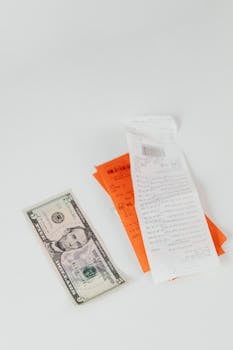
When you start writing down or logging each expense, you notice trends quickly—both leaks and quick wins appear clear as day. Keep receipts or use a free app for accuracy.
Making savings routine even on a tight budget starts with visibility. By weaving save money low income actions into every transaction, patterns become tools instead of obstacles.
Catalog Purchases for Clarity
Take five minutes at the end of each day to review what you bought and why. Seeing daily spending reinforces positive decisions and reveals cracks in your habits.
If you spot impulse buys, simply label them in your journal. Over time, you’ll notice triggers, making it easier to build better routines that work for you.
Instead of judging yourself, look for repeat situations. For example, “I buy snacks on Mondays to handle stress. Next week, I’ll pack an extra granola bar.”
Apply Color-Coding or Sorting
Assign colors for wants vs. needs, or group expenses by week. This visual shortcut makes your spending flaws and success moments jump out right away.
Try using green for needs, red for nonessentials. Glancing at a week’s receipts or digital list, notice if you can swap one red for a green each paycheck.
Each month, total up the greens and reds. Challenge yourself to boost green spending by $10 more. Small shifts make the save money low income approach part of your routine.
| Expense Type | Tracking Method | Weekly Total | Action Step |
|---|---|---|---|
| Groceries | Receipt photo app | $52 | Compare prices, swap brands next trip |
| Snacks/Eating Out | Daily journal log | $18 | Limit to 1 outing, bring lunch 4 days |
| Transportation | Spreadsheet | $25 | Check for carpool or bus discounts |
| Utilities | Bank statement review | $31 | Lower thermostat, unplug unused devices |
| Housing | Automatic ACH alert | $190 | Set calendar reminder, request rent receipts |
Choose One Basic Rule to Automate Weekly Savings
Making your save money low income strategy automatic removes the need for daily willpower. Direct deposit or auto-transfer brings results without extra effort.
Many people find setting a fixed or percentage-based transfer on payday works best. Even just $5 per week grows steadily and feels manageable.
Use the 5-Dollar Rule to Lower Decision Fatigue
Designate every $5 bill that you receive for savings. Each time you get one, place it in an envelope until your next banking visit.
When counting up at month’s end, treat the envelope total as untouchable unless a true emergency hits. Notice how quickly it adds up without feeling deprived.
- Practice the $5 bill challenge: save any fives you get, no exceptions. It’s low-pressure and turns regular spending into an almost painless way to save money low income quickly.
- Set calendar reminders: every payday, auto-transfer a set amount to savings to make the habit stick and reduce stress about forgetfulness or other priorities.
- Choose a target percentage: pick 2% or any tiny number, automate it, and treat your future self as a monthly bill to pay first with each deposit or check.
- Ask about split direct deposit at work: divert a preset sum directly into your savings, bypassing your checking. This method works even if your budget feels tight already.
- Create a separate savings account: keep savings at a different bank or credit union to avoid temptation. Out of sight helps out of mind, ideal for the save money low income mindset.
Automated micro-savings build up stealthily, easing tension around trying to manually save every week, making your progress inevitable over time.
Assign Each Extra to a Priority Goal
Unexpected windfalls work best when allocated before they sit idle. Label half of any tax return, gift, or rebate for savings automatically.
Tell yourself, “I’ll celebrate with 20 percent, but 50 percent will back up my emergency fund or bills.” Making it standard reduces guilt and wasted opportunities.
- Direct deposit windfalls: split IRS refunds, rebates, or cash gifts, putting 50 percent toward your main save money low income fund and spending the rest mindfully.
- Label all bonuses: note “extra” income as “not for bills” and assign a savings target before you see your regular account balance increase and adjust spending.
- Digitize loose coins: use a change jar at home, then deposit coins monthly. Those dollars stack up and grow your small-stakes savings quietly each month.
- Accelerate with round-ups: many banks let you round each debit card purchase up, moving the difference into savings. The amounts seem trivial but accumulate fast.
- Reward yourself for consistency: set a goal that at every $100 milestone in saved money, treat yourself to a planned small purchase. This keeps you motivated and purposeful.
Every “extra” should get a job right away to prevent it from drifting into daily expenses or impulse buys that undermine your save money low income plan.
Slash Waste by Prepping Simple, Repeatable Budget Meals
Every dollar you keep from food waste or eating out moves directly toward your save money low income total. Plan around familiar recipes and batch cooking.
Success builds as you find two or three go-to meals that fit your workweek, reduce stress, and minimize last-minute splurges on takeout or snacks.
Make Grocery Lists with Purpose
Start with a core of low-cost, high-nutrition foods like oats, eggs, or beans. Write a list before shopping so you stay on track at the store.
Stick to the list to avoid impulse purchases. If tempted, say to yourself, “Not this trip—let’s see if we really need it next week.”
Compare prices shelf to shelf. Reach for lower shelves, where value brands hide. Remember that every 50 cents matters in a save money low income strategy.
Batch Cook and Freeze Extras
Prepare double portions of sauces, chili, or stir-fry and freeze half right away. This keeps you fueled on busy nights and reduces food waste, multiplying your savings.
Your future self will thank you on weeknights. Post work, skip the urge for delivery by knowing you’ve already got tasty, ready-made meals at home.
Label containers by date and rotate older meals to the front each week. This habit cuts food spoilage and frees up more for your save money low income fund.
Create New Habits to Sustain Every Dollar Saved
Practicing transparency with your spending and automating savings routines transforms your approach. Even with low income, small steps make save money low income habits possible.
Consistency multiplies results, whether batching meals or redirecting each $5 bill. Every tiny success motivates the next, building stronger money skills and less stress over time.
Stay patient as your balance grows. The save money low income journey isn’t quick, but daily tweaks turn money stress into real opportunity for freedom and long-term peace of mind.