Small changes in daily routines can lay the foundation for strong money management. These financial habits tips empower anyone aiming for real, consistent results.
Steady progress with money keeps stress low and opportunities open. Sticking to simple financial habits tips helps prevent mistakes that drain your resources and energy.
To discover routines that fit your lifestyle, dive in and explore these actionable steps. See which financial habits tips make a difference and try them for yourself starting today.
Start with a Personal Financial Assessment for Clarity
Begin by gaining a clear view of your finances. This step helps to spot gaps, set realistic goals, and focus your efforts where they matter most.
Financial habits tips start making sense once you know your real numbers. Checking income, expenses, debts, and savings helps anchor your next actions.
Separate Wants from Needs in Your Monthly Spending
Use bank statements or budgeting apps to sort expenses by category. Color coding each line item can highlight unnecessary splurges and help apply targeted financial habits tips.
Writing down your last ten purchases and labeling them as “want” or “need” offers a quick snapshot. Try asking, “Would I buy this again if I had the cash now?”
When you identify frequent wants, set a rule: pause and wait 24 hours before buying those items in the future. This lets you compare priorities before you spend.
Compare Your Current Habits to Your Financial Goals
List your main financial goals, then match each one to a habit that supports or prevents progress. For example, “save $300/month” links directly to tracking and limiting eating out.
Tally every time you transfer money toward a goal. If it isn’t happening, check your daily habits and highlight distractions. Reflect on what you’d rather be achieving.
To change the outcome, adjust one small daily action aligned with your goal—like preparing lunch at home instead of buying it, and note your savings each week.
| Habit | Monthly Cost | Goal Supported | One Step to Try Next |
|---|---|---|---|
| Dining Out | $250 | Save more | Plan 4 weekday lunches at home |
| Streaming Services | $45 | Reduce expenses | Cancel 1 unused subscription |
| Impulse Shopping | $120 | Avoid debt | Set a 24-hour wait rule |
| Manual Bill Payment | Risk of late fees | On-time payments | Automate recurring bills |
| Lack of Tracking | N/A | Stay informed | Review expenses weekly |
Automating Payments and Transfers to Make Habits Effortless
Setting up automatic payments can keep your bills up-to-date and prevent missed deadlines. This habit ensures your money flows consistently toward your financial priorities.
Financial habits tips mean less stress when you let technology handle routine payments and transfers. Use digital reminders and auto-transfers to reinforce your big goals.
Automate Essential Bills for Consistent Results
Prioritize your recurring bills like rent, utilities, and minimum debt payments for automation. Log in to your accounts and select the auto-pay or recurring transfer option.
This routine guarantees essentials never get overlooked. You’ll avoid late fees, improve your credit report, and feel more secure about your monthly commitments.
- Set up automatic payments for your most critical recurring bills – it prevents forgetfulness and ensures your credit score isn’t hurt by a missed due date.
- Schedule paycheck splits that automatically transfer funds to savings accounts as soon as your salary hits – this rewards your future self before impulse spending.
- Link a round-up tool to your debit card so small change from purchases builds savings automatically over time, making progress visible without conscious effort.
- Use calendar reminders for key financial commitments that can’t be automated (for example, tax estimates), so every deadline gets your attention in advance.
- Review automated settings quarterly and update any payment amounts or account numbers to avoid surprises and maintain reliability in your financial habits tips setup.
Letting systems manage recurring actions delivers real convenience. Automation turns your intentions into visible progress and shrinks the mental load of daily money management.
Ensure One-Off Financial Tasks Don’t Get Overlooked
For tasks like annual insurance renewals or occasional donations, create a digital checklist. Set calendar reminders 30 days ahead so you can review your options calmly.
This method ensures that yearly or irregular tasks get attention alongside your automated bills. You’ll gain peace of mind by knowing all your obligations are accounted for.
- Store digital copies of bills in a cloud folder labeled by month, so you can instantly review your financial timeline and verify payments if questions arise.
- Attach a note with each digital calendar event specifying payment method and location, reducing time wasted searching for details on the day of action.
- Add a checklist item for reviewing discounts or loyalty benefits before one-off purchases, ensuring every transaction also supports your wider financial habits tips strategy.
- Use app notifications for account balance alerts, so unexpected withdrawals or deposits get flagged instantly and can be handled proactively, not reactively.
- Check in monthly with a trusted partner or friend on one-time financial tasks to stay accountable and motivated to tick off every important step.
Small systems make financial habits tips more than just advice—they become part of your week. Revisit your checklist regularly to keep the process stress-free and reliable.
Making Spending Decisions Using the 48-Hour Pause
Applying a waiting period for purchases gives you control over your spending impulses. The 48-hour pause habit transforms anxious buying into mindful decisions.
This step shifts your mindset from “I want it now” to “Does this really fit my goals?” When practiced repeatedly, it rewires your brain’s response to shopping triggers.
Trying the 48-Hour Pause Rule—A Realistic Scenario
Imagine you see sneakers on sale for $90. You’re about to click “buy,” but instead mark the date and wait. Chances are, excitement fades and the urge weakens.
Physically writing the item and price on a sticky note creates distance. The note reminds you to check if it’s a wish or a genuine need after two days.
Push notifications for sales can trigger this script: “That looks fun, but I’ll come back later.” These financial habits tips flip impulse into mental clarity.
Building the Pause into Online and In-Store Shopping
Create a folder for screenshots of tempting products. Revisit them only after two days, checking whether your goal for saving or paying debt feels more urgent.
Carry a small notebook when out shopping. When you spot something tempting, jot down your emotion and the item, then move on. You’ll be shocked at how many wants fade quickly.
The pause practice works better when paired with weekly money check-ins using your favorite financial habits tips toolkit. Each successful pause is an achievement on its own merit.
Building an Automatic Savings Habit Through Simple Rules
Creating a set-it-and-forget-it savings rule makes your goals much easier to reach. Letting transfers happen instantly each payday supports steady progress without willpower.
Financial habits tips succeed when saving becomes automatic, not a monthly debate. Consistent action builds a cushion for emergencies or planned purchases without robbing your fun.
Incremental Increases and Lifestyle Adjustments
Start with $20–$50 per paycheck into savings. When expenses flex, increase the transfer by a small percentage instead of spending extra cash. You won’t miss the difference day-to-day.
This “pay yourself first” approach means you adjust your lifestyle automatically. Over time, these transfers grow without increasing pressure on your budget or daily life.
Try matching new monthly expenses with equal savings. For every new recurring cost, boost your transfer to savings by the same amount, reinforcing financial habits tips through mirrored actions.
Visibility and Accountability to Stay on Track
Share your savings growth with a partner or close friend using a chart or text update each month. Visible progress boosts encouragement and creates accountability in your routine.
Set a monthly reminder to check your savings total and celebrate any milestone. People stick to financial habits tips better when they enjoy small successes and acknowledge progress.
Display a savings thermometer in a visible spot like the fridge. Simple visuals reinforce positive habits and motivate you to keep transfers automatic, even when temptation strikes.
Tweaking Weekly Routines for Ongoing Success
Weekly check-ins keep new money habits visible and normal. They make it simple to course-correct before any slip-ups grow into bigger financial headaches.
Financial habits tips work long-term when they fit within your existing schedule. Just 15–30 minutes every week can build confidence and consistency.
Mini-Reviews for Clear Financial Direction
Every Sunday, review last week’s budgets and upcoming bills. Make a quick list of what felt easy and what took extra effort; then adjust your plan.
If something drains your energy, explore swapping it for a simpler action. The goal is progress, not perfection, as you refine your financial habits tips.
Pair your check-in with a routine event—such as after grocery shopping or before a favorite show. This ensures your habit gets the spotlight it deserves.
Common Weekly Challenges and How to Address Them
If you forget to enter receipts, capture a photo right after each transaction and upload them during your scheduled review. Visuals trigger memory and ensure no detail slips through.
Busy workweeks can squeeze out your check-in. Book time in your calendar as a non-negotiable event, just as you would with a meeting or doctor’s visit.
If you’re prone to skipping, reward yourself with a small treat or relaxing activity after you’ve finished your financial habits tips review. Positive reinforcement builds loyalty to your growing routine.
Staying Motivated with Visual Progress Markers
Tracking results in visible formats—charts, checklists, thermometers—helps you notice progress and milestones. This reminder keeps you focused even through challenging stretches or slow gains.
Financial habits tips stick when you see how daily efforts add up. Visual reminders turn your journey into a clear, engaging story worth sharing.
Using Habit Trackers and Goal Charts
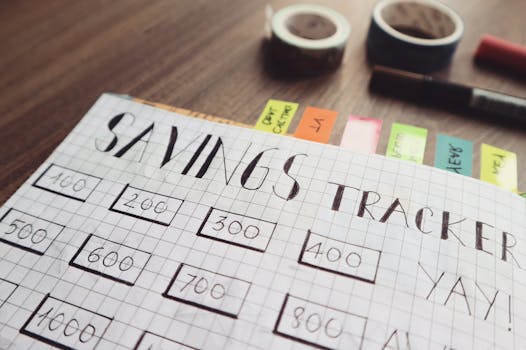
Post a color-coded chart for each savings goal on your fridge or wall. Fill it with stars or milestones as you complete each transfer to savings or pay down debt.
Apps can automate the tracking but physically seeing a chart daily builds more awareness. Action feels personal when you celebrate small steps visually.
Share your chart with someone you trust. Hearing “Nice job this week!” turns small successes into shared motivation, fueling the next round of good financial habits tips.
Celebrating Each Milestone—A Quick Script
Each time you hit a goal, mark it with a specific reward. “Saved $500 toward emergency fund, ordering my favorite takeout tonight”—this script reinforces the emotion behind wise habits.
You’ll associate positive feelings with saving, not deprivation. Financial habits tips work best when your brain connects them to real joy and accomplishment.
Baking a small treat or taking an hour for a favorite hobby strengthens the link between progress and happiness, locking new habits firmly into place for the future.
Adapting Financial Habits Tips to Life’s Changing Seasons
Review your routines and habits before big life changes—moving, a new job, or welcoming a child. This prep ensures financial habits tips continue to work as your circumstances evolve.
Every financial season has different needs and priorities. Adjusting a familiar process or checklist gives you better control and lets you stay proactive about finances.
Adjusting to New Income or Expenses
If a job change alters your monthly cash flow, revise your budget and automate new savings amounts. List any new recurring obligations and set reminders for review dates.
During events like an upcoming wedding, update shared spending rules and use joint trackers. One script: “Let’s check this week’s numbers before making new commitments.”
After a child’s birth or sudden bills, pause discretionary spending and redirect funds to essentials. Routines built on financial habits tips keep you steady through each new situation.
Planning for Longer-Term Goals and Flexibility
Update retirement or emergency savings contributions annually as your salary changes. Book a yearly meeting with yourself to list three wins and one area for fine-tuning.
Identify new opportunities for financial growth during tax refunds or bonus months. Directing windfalls to important goals makes progress visible and sustainable.
Financial habits tips thrive when you treat your strategy as a living document. You’ll build resilience and ride out any changes that come your way.
Final Thoughts: Turning Small Actions Into Lifelong Gains
Each small habit, practiced daily or weekly, builds momentum for a more stable financial journey. Let these financial habits tips be the practical tools that strengthen your results.
Real progress comes from clarity, steady automation, visible tracking, and timely adjustments. Flexible routines and supportive systems make lasting financial health more attainable for everyone.
Keep exploring these strategies, applying one new habit at a time. Celebrating your growth—no matter how small—makes every effort on your financial path meaningful and rewarding.