How to Stay Mentally Strong During Difficult Periods: Mental Strength Habits That Work
You might notice your mind pushing back during rough times, and it feels like you’re stuck. Building mental strength habits can transform challenging periods into opportunities for growth.
Resilience isn’t a trait found only in extraordinary people; it’s a set of learnable behaviors. Learning mental strength habits prepares you to thrive, not just survive, no matter what life throws at you.
Dig into this guide to discover practical examples, actionable checklists, and real-world tips that will help you develop mental strength habits for any tough moment.
Setting Boundaries Creates Room for Resilience
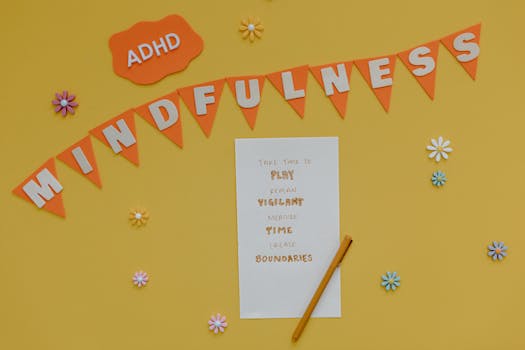
When you define clear boundaries, you cut down unnecessary stress. Saying no without guilt allows space for building mental strength habits and prioritizing what you value most.
Boundaries are practical, not abstract. Example: “No texts after 8pm,” means you protect recharge time and boost your confidence to stand firm during difficult periods.
Building Micro-Boundary Habits
Try committing to one small “no” daily, like declining a non-essential meeting. Each act reinforces mental strength habits by showing you can control your obligations.
Avoid overexplaining your choices. Instead, say, “I’m unavailable then, but thanks for thinking of me.” Repeat this script until it feels natural to preserve your energy.
Micro-boundaries help you conserve energy when emotions are stretched thin. Over time, their structure supports more ambitious mental strength habits when you need them.
Recognizing Boundary Breakdowns Early
If you notice yourself feeling irritated or fatigued, check if you’ve let boundaries slide. Physical tension and restlessness are early clues, signaling it’s time to reinforce limits again.
Use a quick check-in: “Did I agree to something just to please?” When you catch yourself, reset by politely correcting the commitment or setting stronger expectations next time.
Mentally strong people rely on mental strength habits to spot and stop boundary breakdowns before they lead to burnout. Early action protects your wellbeing—and your relationships.
| Boundary Type | Example Phrase | When To Use | Takeaway |
|---|---|---|---|
| Emotional | “I can’t discuss this now.” | Feeling overwhelmed | Say this to pause heavy talks and regroup. |
| Time | “I have 15 minutes.” | Short on time | Use for quick meetings; keeps tasks contained. |
| Physical | “I need space.” | Needing solitude | Step away to recharge, especially during intense periods. |
| Digital | “No notifications after work.” | Work-life balance | Protects your evenings from work creep and distraction. |
| Commitment | “I’ll get back to you.” | Pressure to say yes | Buy time before committing, supporting thoughtful choices. |
Refocusing Attention with Purposeful Actions
Redirection helps you avoid spiraling, especially when negative thoughts want centerstage. With specific routines, you’ll anchor your attention and put mental strength habits into action.
Start by addressing small, manageable elements—what’s in your immediate control? A five-minute reset, like a walk or deep-breathing stretch, can change your outlook and strengthen your mental strength habits.
Daily Redirection Practices That Boost Focus
Simple anchor phrases like “I’m doing what I can, right now” ground your mind. Repeat this during a stressful moment to shift from overwhelm to presence.
Visual cues, such as sticky notes or reminders on your phone, reinforce mental strength habits. Place them somewhere visible so you remember your focus goals.
- Write a new to-do list every morning, even when tired. It helps you recall what truly matters and clarifies action steps.
- Take three slow breaths before starting a new task. This simple pause signals your brain to reset and refocus, keeping anxiety from building.
- Organize your workspace at day’s end. The physical act sweeps away lingering tasks, making space for new momentum tomorrow.
- Hold a warm drink and count to ten. This sensory action reduces tension, grounds you, and keeps your response proactive, not reactive.
- Schedule “worry time.” Allow ten minutes daily to address concerns, then move on, so your entire day isn’t shadowed by stress.
Redirect attention purposefully, and you’ll quickly notice mental strength habits getting stronger, supporting clarity in the face of chaos.
Making Calm Decisions Under Pressure
Decide on one non-emotional point first, like, “What is actually being asked of me?” This question halts knee-jerk reactions and sets you up for intentional responses.
- Pause before responding to requests—say, “Let me think about that.” Granting yourself time avoids rash agreements and empowers thoughtful decision-making.
- Check your posture. Standing or sitting tall activates confidence centers in the brain, reinforcing your readiness to handle the situation with calm and poise.
- Run through your last three decisions. Did they align with your mental strength habits? Adjust as needed to improve consistency and self-trust next time.
- Use a soothing object, like a stress ball, when tension rises. Physical comfort can refocus your attention and help the mind reset quickly.
- Visualize the end result before engaging, such as picturing yourself calmly succeeding. Anchoring an image preps your brain for the desired outcome.
Pairing action-based practices with intentional pauses gives your brain space to engage mental strength habits instead of defaulting into old, unhelpful patterns.
Tracking Progress with Small, Visible Wins
Celebrating incremental wins, even during setbacks, reinforces mental strength habits and creates a sense of progress that fuels motivation. Visible reminders of achievement boost confidence daily.
Consider a scenario: Lisa tracks each evening’s progress in a journal. Even listing “resisted checking emails late” reminds her mental strength habits are active and gaining traction.
Journaling Routines for Clarity
Write three lines each night summarizing wins or moments of resilience. “Held boundary with boss” or “walked despite rain” count as proof your mental strength habits work.
Use bold headings or colored markers for each entry to create a visual reward system. You’ll see the accumulation of effort, which keeps mental strength habits top of mind.
If you miss a day, restart without judgment. Review your last week’s list for patterns and set one intention for the day ahead. The record builds momentum over time.
Pairing Rewards with Specific Actions
Link a small reward—like five minutes with your favorite music—to finishing a hard task. The immediate dopamine hit encourages your brain to keep practicing mental strength habits.
Share wins with a trusted person, even by text. “I said no to extra work!” brings quick feedback and encouragement, making you more likely to repeat the behavior.
Mutual recognition builds a mental strength habit-supporting network. Over time, modest rewards and acknowledgments enhance your sense of control and progress on difficult days.
Integrating Mental Strength Habits Into Everyday Life
Each practical habit, from boundary-setting to tracking small wins and refocusing attention, forms the backbone of resilience during difficult times, giving daily challenges new meaning.
Mental strength habits, repeated consistently, shift your focus toward what you can control, equipping you for both everyday setbacks and bigger adversities without overwhelming you.
By applying these strategies, you nurture a mindset that not only endures challenges, but grows stronger with every difficult period—one concrete, actionable step at a time.