You pause before sending that late-night email—a small moment changes your direction. Pausing, also called everyday reflection, guides better daily choices as reflection improves decisions.
Rushed choices at work, home, or even in a conversation lead to unintended outcomes. Understanding how reflection improves decisions allows you to act, rather than react, in the moments that matter.
Let’s explore how reflection improves decisions every day, with concrete steps and real-world strategies you can start using immediately for smarter, more confident choices.
Establishing a Personal Feedback Loop for Smarter Choices
Setting up a simple personal feedback process leads to repeated, tangible improvement in how you approach daily decisions and respond with greater clarity and perspective.
Begin by identifying brief moments for daily review—these intentional pauses ensure that reflection improves decisions by turning unnoticed patterns into lessons and new actions you can use.
The Five-Minute Evening Review Ritual
Reserve five minutes after dinner, away from your phone, to ask: “What went well today? What would I do differently next time?” Jot quick notes for reference.
This habit creates a mental highlight reel, letting you connect decisions and outcomes—strengthening how reflection improves decisions in tomorrow’s actions and reactions.
If you jot down, “Rushed through a meeting prep; next time, plan ten minutes earlier,” you now have a script for better results the next day.
Morning Intention Check
Each morning, while sipping coffee, envision two scenarios: one where you act on autopilot, one where you pause to consider. Pick a phrase—”Pause, then respond.” Repeat this before leaving the house.
Tuning into how you want to respond primes your brain for adjustment throughout the day. This simple input-output check reinforces that reflection improves decisions, even in routine moments.
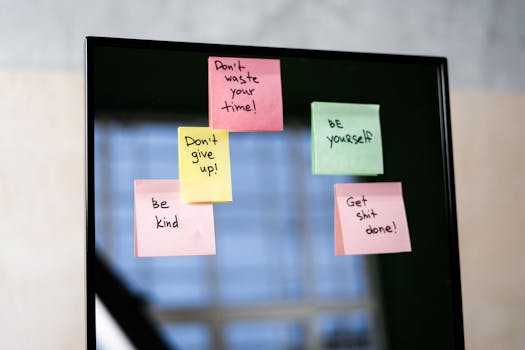
A sticky note on your mirror reading, “Pause—Reflect—Respond,” becomes a visible cue for mindful behavior, nudging you to break habitual knee-jerk reactions.
| Reflection Method | Time Needed | Key Benefit | Try This Today |
|---|---|---|---|
| Evening Review | 5 min | Spot patterns in decisions | Write two lessons from today |
| Morning Intention | 3 min | Prime mindful choices | Set an intention prompt |
| Mini Break Recap | 1 min (lunch) | Interrupt autopilot | Ask: “Could I have chosen differently?” |
| Weekly Summary | 10 min/week | See longer trends | Re-read weekly notes |
| Peer Debrief | 10 min/call | Get outside perspective | Share a decision story with a friend |
Recognizing and Reshaping Unhelpful Patterns in Daily Choices
Identifying patterns as soon as they form gives you a tool to reshape decisions and redirect your behavior, proving that reflection improves decisions in practice.
Catching an unhelpful script—like always saying “yes” in meetings—lets you pause, test a different answer, and grow your confidence with one intentional choice at a time.
Mini Audit for Recurring Triggers
Grab your notepad and note the situations where stress, distraction, or impatience take over. Spotting a cue—”Every time the phone rings, I get flustered”—starts the update process.
Mark down visible signs: shallow breathing, rapid speech, or fidgeting. These signals accompany moments where reflection improves decisions by spotlighting reactions that need adjusting.
- Identify your repeating reaction—naming it helps remove autopilot and brings targeted change at the next similar moment.
- Briefly pause after a trigger instead of reacting—remind yourself aloud, “Pause—what’s my best move now?” to break the cycle.
- Record the words you use during tense moments—are they rushed or vague? Swap them for clear, direct phrases next time.
- Review outcomes after trying a new reaction—write a one-sentence summary to track if the change improved results.
- Share your pattern and swap ideas with a trusted peer—you’ll uncover new scripts that show how reflection improves decisions in two-person interactions.
These micro-adjustments strengthen confidence and clarity each day, making reflection tangible instead of theoretical.
Rewriting Scripts with New Responses
Choose one habitual response you’d like to change, such as snapping back in frustration. Think through an alternate script: “Wait three seconds, then respond calmly.”
Write this alternative on a flash card and review it before meetings or tense conversations. With repetition, reflection improves decisions as new responses become automatic.
- Set a timer for a brief check-in an hour after high-stress moments—ask, “Did my response align with my intention?”
- Note body cues—increased heart rate or clenched jaw—right before reacting. Pause and name the feeling instead of acting on it impulsively.
- Tally success using a checkmark when you practice the new script. Immediate feedback reinforces how reflection improves decisions through visible progress marks.
- Celebrate any improvement, not perfection, to keep the streak going. Every conscious pause marks a small win toward new habits.
- Reset expectations—tell yourself, “One small change per day.” Managing your pace ensures continued, manageable improvement.
Stacking small wins reveals bigger trends, giving proof by lived experience that reflection improves decisions steadily over time.
Making the Invisible Visible: Using Concrete Prompts and Cues
Embedding clear prompts into your environment ensures that reflection improves decisions as part of your routine, not just when motivation is high or stress strikes suddenly.
Place sticky notes, phone alarms, or visual cues to create automatic pause moments, so your environment reminds you to reflect at crucial points during your day.
Prompt Placement for Maximum Impact
Tape a brightly colored sticky note to your computer with the phrase, “Take a breath—reflect first.” These cues nudge you without extra effort.
Put a reminder in your phone calendar before recurring stressful events. Seeing “Pause and reflect before answering” just before you speak helps ensure each reflection improves decisions reliably.
Adjust prompt wording over time to fit situations as your needs and triggers change. This customization strengthens the cue’s relevance and effectiveness daily.
Building Response Scripts for Challenging Moments
Draft two-sentence scripts for tough interactions, like, “I hear you. Give me a moment to think about the best way to help.”
Practice the script out loud before the next conversation. You’ll notice your tone and pacing shift—reflection improves decisions by making new behaviors easier under pressure.
If you stumble once, repeat the script again immediately. Each try reinforces a new circuit in your brain, building confidence and consistency for real conversations.
Embedding Reflection as a Daily Decision-Making Tool
By carving out moments for thoughtful review, embedding prompts, and updating your response scripts, you experience firsthand that reflection improves decisions in practical, observable ways.
These small shifts, reinforced by actionable steps and visible cues, create a daily process where each new choice builds greater clarity and intentionality in your routines.
Continued reflection gives you ownership of change by turning self-awareness into action, making sure every decision, big or small, benefits from a more confident and reflective approach.