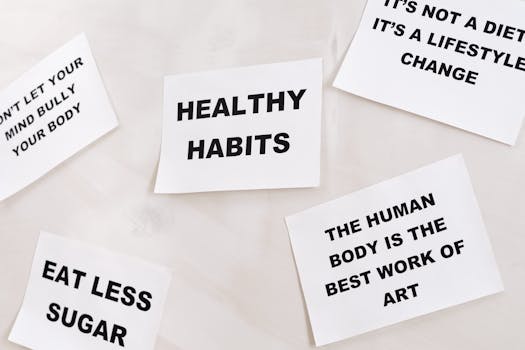
Everyone hits a wall with their habits. Maybe you find yourself scrolling endlessly or eating mindlessly. Lasting change means learning how to break bad habits effectively, not just briefly.
Understanding what drives repeated behavior helps you take real control. This topic matters for anyone who wants healthier routines, more self-trust, and progress without shame, not just wishful thinking.
Explore practical strategies, specific examples, and real steps to break bad habits effectively. Discover ways to swap old patterns for healthier ones without drama, stress, or empty promises.
Create Specific Triggers to Interrupt Old Behavior Loops Instantly
You’ll change habits fastest by targeting triggers. Spotting cues helps break bad habits effectively before autopilot kicks in, so the cycle can actually get interrupted repeatedly and reliably.
Most habits start with something simple: sitting at your desk, seeing a snack, feeling bored. Swapping the reaction—noticing the urge, pausing—unlocks space for a better choice to click in.
Notice and Label the Real Trigger
Cues can be subtle. For example, hearing your phone beep may prompt social scrolling. Saying “I hear the beep, now I notice the urge” throws a speed bump in the cycle.
Observing your actions, even for two seconds, slows things down. You can spot tension, restlessness, or your hand reaching for chips. This lets you break bad habits effectively at the very brain level.
When you label a trigger aloud or quietly, you disrupt the auto-response pathway. Set an alert to remind yourself to check in every day this week at the same time.
Replace the Automatic Response With a Simple Disruptor
Use physical habits to halt old ones. Place a sticky note on your screen with “Pause” or keep water nearby to grab when the urge hits.
When you notice a cue, do your disruptor: stand, drink water, take a deep breath. The physical shift helps your brain break bad habits effectively and returns your focus.
Scripts help: If you feel the urge, say: “I notice I want this. Now, I will stand for 10 seconds.” Over time, this makes the urge lose its grip.
| Habit Trigger | Automatic Response | Disruptor Example | What to Try Next |
|---|---|---|---|
| Phone beep | Check social media | Set device to Do Not Disturb | Move phone to another room after 8pm |
| TV turns on | Grab snacks mindlessly | Keep snacks out of living room | Prepare fruit beforehand |
| Work stress hits | Bite nails | Fidget with stress ball instead | Leave a stress ball on your desk |
| After dinner | Reach for dessert | Brush teeth right away | Brush teeth as soon as dinner ends |
| Sitting at desk | Slouch in chair | Stand and stretch | Set a timer to stand each hour |
Shape Your Environment to Support New Habits, Not Old Temptations
When changing habits, redesigning your space can break bad habits effectively before willpower is needed. Setting up friction makes the default path the healthy one.
Think about the kitchen, living room, or even your digital environment. Moving things around or adding reminders keeps good choices visible and old triggers out of sight.
Design Your Physical Environment for Ease
Place healthy snacks where you can see them and keep junk food out of reach. If your phone is a distraction, leave it in another room after work.
Put your workout clothes out at night so you’re ready in the morning. A water bottle on your desk cues hydration instead of mindless snacking. These shifts can help break bad habits effectively.
- Remove tempting snacks from eye level in the kitchen. This simple swap saves energy by making healthy choices easier and less effortful.
- Place exercise gear by the front door if you want to walk more. Habit triggers become visual cues for momentum, not friction.
- Move chargers out of the bedroom. Separating your device from your sleeping area can improve nightly routines and reduce late-night distractions.
- Put a sticky note on your TV remote with a question: ‘Is this how you want to spend 30 minutes?’ Gentle reminders create space to break bad habits effectively.
- Organize workspaces so the most used tools sit nearest. Remove what distracts you, leaving only essentials visible to trigger focus, not detour you.
Making small environmental tweaks shifts choices on autopilot. When friction increases for old patterns, you break bad habits effectively without stress or wasted energy.
Reshape Digital Spaces to Minimize Distraction
Set time limits for social apps during work hours. Rearrange phone home screens so only useful tools appear on the first row—stash the rest offscreen.
Unsubscribe from distracting email lists. Install extensions that block time-wasting sites. A shorter path to new routines and longer walk to old ones breaks bad habits effectively.
- Disable notifications for non-urgent apps. This reduces urge-driven checking and lets your attention recover between focused periods.
- Set a dedicated music playlist for work hours. A specific playlist can anchor you in a work mindset and cut down on digital wandering.
- Declutter your browser bookmarks. Keep only project-relevant tools up front to break bad habits effectively in your online routine.
- Use grayscale mode during breaks. Visual dullness makes social scrolling less tempting and more forgettable, lowering the urge’s pull.
- Rename distracting apps with a phrase: ‘Why open me?’ to trigger a pause and invite a decision rather than mindless action.
Digital clutter works just like physical clutter. Removing it carves a smoother path for new, helpful habits to replace old routines.
Use Micro-Commitments to Make Behavior Switches Manageable
Clearing the entire calendar for a habit overhaul rarely works, but bite-size switches help people break bad habits effectively one mini-win at a time.
Small, repeated shifts add up faster than heroic plans. Focusing on daily, specific actions cements the sense, ‘I can actually do this,’ which anchors real change.
Set One-Minute Rules and Stack Behaviors
Decide, ‘For 1 minute, I’ll walk instead of snack.’ That’s doable. Set phone alerts: ‘Read 1 page before Netflix.’ Each checkmark grows your confidence to break bad habits effectively.
Habit stacking links a new action to an existing one. For example, ‘After I brush my teeth, I’ll stretch for 1 minute.’ Small successes stack up, lowering resistance each day.
If the routine feels too hard, shrink it. Say, ‘I only have to do this for 60 seconds.’ With repetition, your brain upgrades to the new habit as the automatic choice.
Track Micro-Wins for Momentum
Keep a visible tracker—calendar, sticky notes, app—for every day you catch yourself and swap an old reaction. Checking off micro-wins pulls your focus to progress, not setbacks.
Review at the end of each week: Celebrate where you broke a bad habit effectively, not just where you slipped. Tracking micro-successes builds a growth mindset for next week’s efforts.
Choose a reward that matches effort, like an evening walk after five habit swaps. Celebrating micro-wins motivates consistency by tapping into your brain’s craving for accomplishment.
Train Consistent Self-Talk to Reinforce the Habit Change
Guiding self-talk breaks bad habits effectively by coaching your brain through decisions. Scripts steer you clear of the old groove and reward small wins to boost the new path.
Practice talking to yourself out loud—or in your head—with supportive, action-first cues. The right mental script makes every mini-switch easier to repeat next time.
Use Action-First Scripts During the Moment
For example, say: “Right now, I feel the urge to snack. I choose water instead.” This directs your next move instead of letting default choices win.
Keep scripts visible on sticky notes: ‘Pause—what do I want more?’ Reading your script each time helps break bad habits effectively and turn new actions into rituals.
End each successful swap with, “Good call, that’s progress.” Recognize the effort, not just the outcome. Self-acknowledgment motivates further change and lowers guilt about slips.
Reframe Setbacks as Data, Not Failure
When you slip, use the script: “That was just one loop. Now, I know the cue.” Study where the cycle broke down to break bad habits effectively next time.
Label what worked and what didn’t: “Pausing helped, but the chips in view derailed me.” Adjust the disruptor or environment rather than blaming your willpower.
Learning from missed days refines your approach. Progress is more about pattern-spotting than perfection. Each round gives new data for the next small tweak.
Increase Reward and Enjoyment Linked to Better Habits
Your brain loves positive feedback. Pairing new routines with instant wins helps break bad habits effectively by tying pleasure—however small—to every act of change.
Shift your focus from what you’re giving up to what you’re gaining. Make healthy routines enjoyable, social, or rewarding so the new groove feels like a win, not a chore.
Create Automatic Rewards for Every Success
Use phrases like, “Nice job! That’s another win,” every single time you swap an old habit. Internal acknowledgment wires motivation and associates effort with satisfaction.
Find physical rewards, too, such as making your favorite tea after a long walk. Tiny treats directly after new behaviors speed up how you break bad habits effectively.
For social encouragement, text a friend when you hit a big milestone—celebrate together. Shared acknowledgment multiplies the reward signal and anchors the healthier habit.
Make New Routines Enjoyable So You’ll Want to Repeat Them
Make music part of chores, or pair learning with a favorite snack. Group exercise ups enjoyment. The more positive the process, the easier it becomes to break bad habits effectively.
Add fun to what used to feel like punishment: dance while cleaning, try a new recipe, or challenge yourself on a step-tracking app—the boost helps repetition stick.
Notice body signals after healthy swaps: increased energy or clearer thinking. Pause to appreciate these real-time rewards. Savoring them helps reinforce the change at a gut level.
Plan for High-Risk Moments With If-Then Routines in Advance
People don’t break bad habits effectively by wishing away triggers; they plan for them. If-then routines prepare you to steer choices in high-risk moments.
Before stress, boredom, or fatigue hits, write out replacement actions. These shortcuts keep you from guessing under pressure and lock a good choice on autopilot.
Write If-Then Scenarios for Tricky Situations
Try this: “If I feel anxious at night, then I will write down three thoughts instead of snacking.” Map specifics for common triggers—’If bored, then text a friend.’
Make scenarios as detailed as possible: “If the meeting runs late, I’ll take three slow breaths before I react.” This lets you break bad habits effectively before old routines fire.
Keep your if-then list on your phone or post it somewhere visible. Reviewing it daily turns better choices into reflexes, even in tough moments.
Practice Scripts With a Friend for Accountability
Share your if-then plans with someone close—’If I want to skip my run, text you first.’ Mutual check-ins prompt new scripts and encourage consistency.
Practicing together builds momentum. Ask each other for feedback when you follow through on the if-then routine. Small wins add up and break bad habits effectively together.
Start a monthly review: tweak if-then plans as new habits form. Learning together keeps changes resilient through different seasons and life stressors.
Adopt an Iterative Mindset for Long-Term Habit Flexibility
Trying to break bad habits effectively isn’t about perfection—it’s about evolving strategies when life shifts. Adjusting plans keeps you agile and persistent over time.
Living by the “course correct, don’t quit” rule sustains progress during setbacks. Every habit journey is a series of experiments and lessons to build stronger routines.
Normalize Adjusting Your Plan in Real Life
When routines get stale or no longer fit, ask, “What’s not clicking right now?” Change the time, location, or size of your new habit until it sticks.
Life events, like a new job or travel, disrupt habits. Don’t ditch the plan—shrink or alter it. Maintaining a modified version helps break bad habits effectively under new conditions.
Each adjustment is information, not failure. The willingness to shift strategies quickly makes you a long-term habit builder rather than a short-term quitter.
Measure Success by Consistency, Not Streak Length
Celebrate sticking to new choices most weeks, not just perfect months. Mark every restart as a win: “I got back on track this week.”
Notice patterns, like which days are hardest. Tweak your approach, and plan for those days instead of wishing for more willpower. Steady consistency breaks bad habits effectively.
Over time, your rates of old response drop as good routines repeat. This compound success is what leads to solid change, not isolated heroic efforts.
Keep Progress Sustainable By Connecting Habits to Personal Values
Shifting habits is easier over years—not just months—when you link routines to your values. Choosing growth, health, or family goals makes it easier to break bad habits effectively in the long run.
Tie every small change to a bigger why: “I avoid late-night snacks so I can feel sharper for my kids.” Each action echoes beyond one moment.
Review these reasons regularly. Write them down or say them out loud before making habit swaps. This reminder helps keep your progress steady, even when motivation dips.
As healthy routines reflect your identity more, sustaining them requires less pep talk. The best habits aren’t chores—they’re ways you express your most important values day to day.
Begin your next change with one strong reason. Use it to break bad habits effectively and replace them with routines you’re proud to follow, no matter what else shifts in life.